Maintaining a home requires far more than addressing cosmetic blemishes or reacting to sudden breakdowns. A strategic approach to home repair transforms routine upkeep into a long-term investment strategy that protects structural integrity, ensures family safety, and preserves property value. Rather than treating repairs as isolated emergencies, homeowners who adopt a systematic maintenance mindset can prevent minor issues from compounding into costly structural failures.
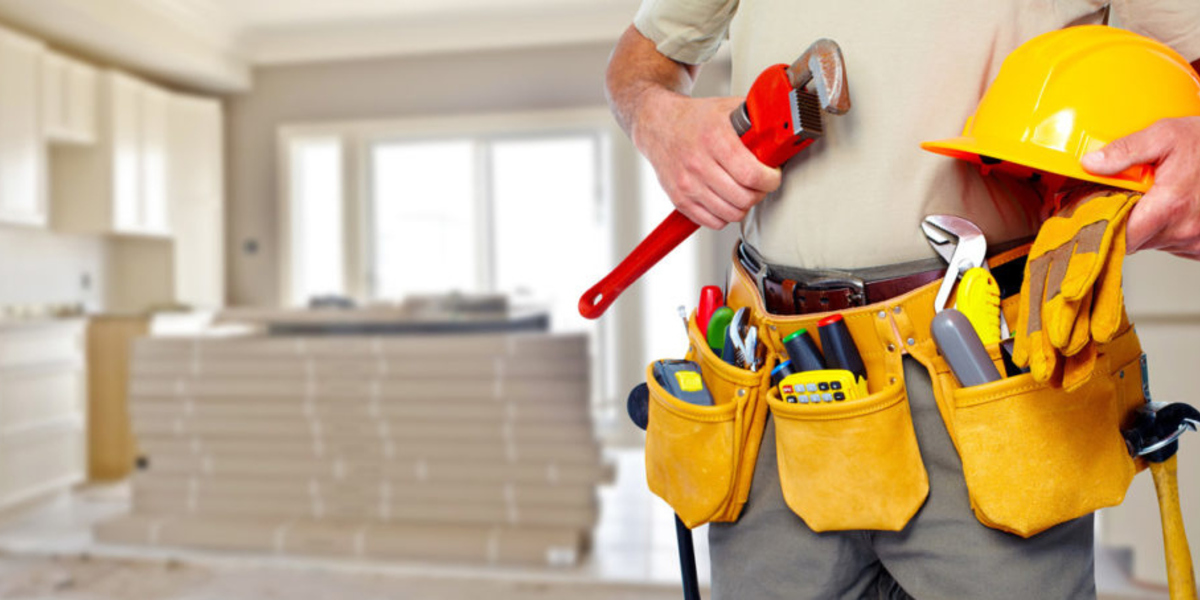
Understanding how to diagnose problems, prioritize interventions, and execute repairs systematically is essential for every homeowner.
1. Prioritizing Repairs: The Structural Triage Framework
When managing property maintenance, not all repairs carry equal weight. Establishing a clear hierarchy prevents budget exhaustion and protects the fundamental elements of the building.
- Level 1: Water intrusion and envelope breaches: Water is the single most destructive element to a residential structure. Leaking roofs, damaged flashing, cracked foundation walls, or broken pipes demand immediate intervention to prevent mold growth, rot, and structural decay.
- Level 2: Life safety and system failures: Faulty electrical wiring, malfunctioning heating systems, gas leaks, and compromised deck railings fall under immediate safety concerns that require fast, professional resolution.
- Level 3: Preventative maintenance and wear-and-tear: Servicing mechanical systems, re-caulking window frames, and repairing minor drywall cracks maintain operational efficiency and stop premature degradation.
- Level 4: Aesthetic updates: Cosmetic touch-ups, such as painting trim or replacing cabinet hardware, should only be addressed after high-priority structural and safety needs are met.
2. Navigating the DIY vs. Professional Boundary
Knowing when to perform a repair yourself and when to hire a licensed contractor is a critical decision that impacts both safety and budget.
When to Handle Repairs Independently
Simple maintenance tasks—such as replacing faucet washers, patching minor drywall holes, replacing weatherstripping, or clearing clogged gutters—are well within the capability of most homeowners. Completing these tasks independently builds property familiarity and saves significant labor costs.
When to Hire Licensed Professionals
Major structural modifications, main electrical panel work, complex plumbing rerouting, and roof replacements carry significant legal, safety, and financial risks. Attempting complex DIY repairs in these areas can lead to code violations, voided homeowners insurance policies, or severe personal injury.
3. Systematic Approaches to Core Home Systems
A comprehensive repair strategy focuses on four primary systems that form the backbone of modern residential housing.
- Roofing and drainage systems: Inspect your roof twice annually for missing shingles, compromised flashing around chimneys, and sagging gutters. Ensure downspouts discharge water at least five feet away from the foundation to prevent soil erosion and basement seepage.
- Plumbing and water lines: Regularly check exposed pipes beneath sinks and around water heaters for slow drips or mineral buildup. Early detection of pipe corrosion prevents catastrophic line bursts and extensive water damage.
- Electrical infrastructure: Outdated outlets, flickering lights, or frequently tripping circuit breakers indicate underlying electrical stress. Upgrading aging outlets to ground fault circuit interrupter (GFCI) units in wet areas significantly reduces electrical hazards.
- Foundation and masonry: Small hair-line cracks in foundation walls are common due to normal settling. However, horizontal cracks, wide gaps, or bowing walls indicate severe hydrostatic pressure and require immediate structural engineering assessments.
4. Building a High-Utility Home Repair Toolkit
Executing repairs efficiently requires having the right tools and diagnostic equipment readily accessible. Investing in quality basic tools eliminates unnecessary trips to the hardware store and allows for quick emergency responses.
- Diagnostic tools: A non-contact voltage tester, a digital moisture meter, and a multi-angle laser level allow for precise problem identification before physical work begins.
- Fastening and hand tools: Keep a standardized set of screwdrivers, adjustable wrenches, claw hammers, utility knives, and locking pliers in a organized toolbox.
- Safety gear: Protective eyewear, heavy-duty work gloves, dust masks or respirators, and sturdy ladders are non-negotiable safety items for any home repair project.
5. Establishing a Seasonal Preventative Maintenance Schedule
The most effective way to minimize major repair expenses is through proactive seasonal maintenance. Breaking down home care into manageable quarterly routines keeps systems functioning smoothly year-round.
Spring is ideal for inspecting roof surfaces, clearing outdoor drainage paths, and servicing air conditioning units before summer heat arrives. Summer focuses on exterior woodwork, deck sealing, and outdoor masonry repairs. Fall demands gutter cleaning, heating system tune-ups, and insulating exposed pipes ahead of freezing temperatures. Winter offers the perfect window for interior repairs, safety detector testing, and organizing utility areas.
Conclusion
Home repair is an ongoing discipline that balances proactive maintenance with strategic problem-solving. By prioritizing critical structural risks over cosmetic updates, recognizing the limits of DIY work, maintaining core building systems, and sticking to a seasonal maintenance schedule, you safeguard both your family and your financial investment. Treating your property with consistent care ensures it remains a safe, durable, and comfortable sanctuary for years to come.