The difference between a house and a sanctuary often lies in the intentionality of its design. When we discuss the “creators of residence improvement,” we are not just talking about the laborers who swing hammers or the painters who apply the finish. We are referring to the architects, interior designers, and visionary planners who understand that a home must evolve with its inhabitants. Creating a plan for residence improvement is a sophisticated process that balances structural integrity with the nuanced needs of modern lifestyle.
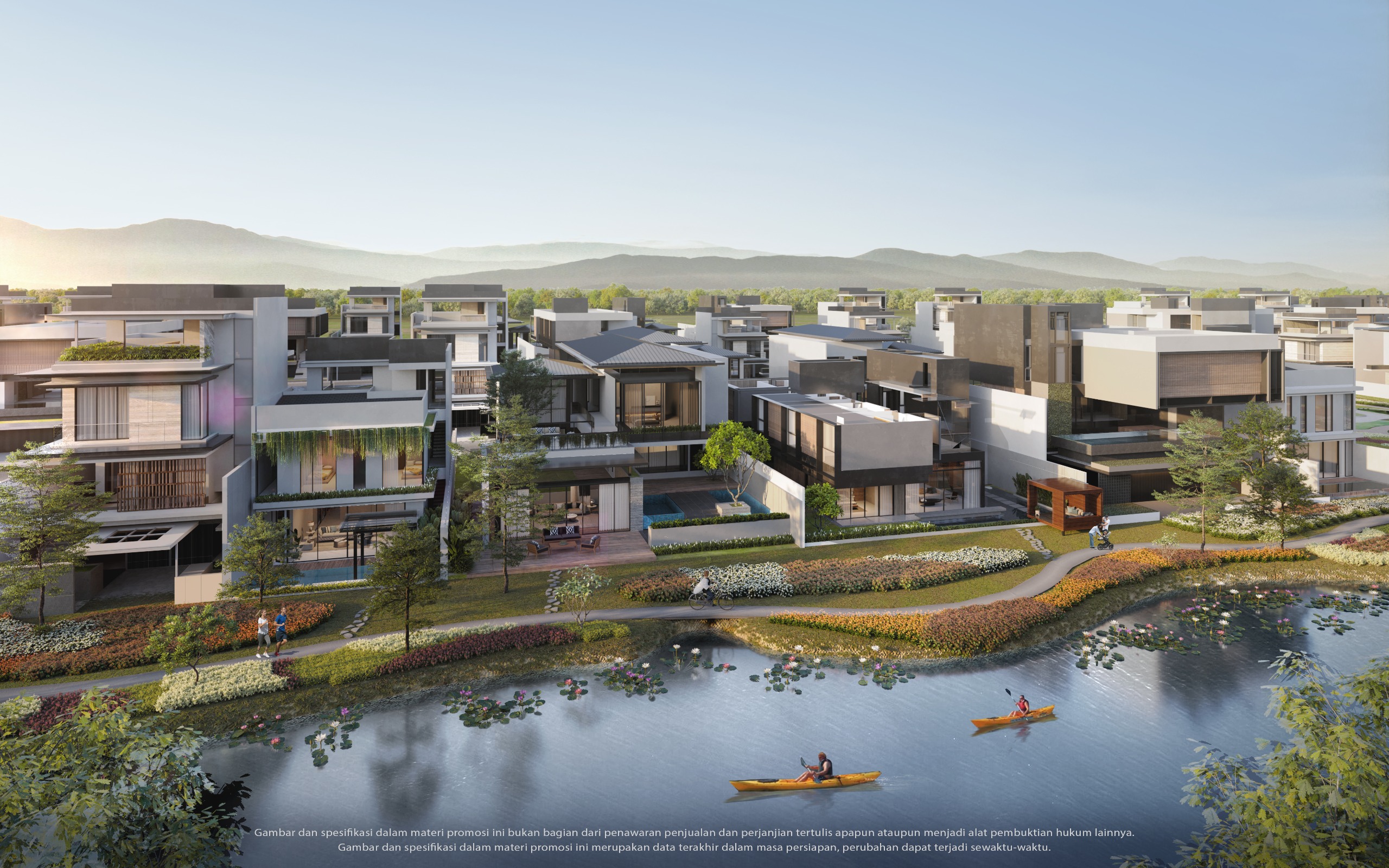
In this guide, we will delve into the strategic planning phases used by industry leaders to transform ordinary living spaces into extraordinary residences.
The Philosophy of Professional Residence Planning
Top-tier creators of residence improvement operate on a fundamental philosophy: every square inch must serve a purpose. Before any physical work begins, these professionals engage in a deep discovery phase. This involves analyzing how light moves through a room at different times of day, how sound travels between floors, and how the “energy” of a space shifts from the morning rush to evening relaxation.
A professional plan is more than a simple floor map. It is a comprehensive document that addresses several layers of the home environment. Creators categorize these into structural updates, aesthetic enhancements, and technological integration. By separating these elements during the planning stage, homeowners can avoid the “domino effect,” where a small change in one room inadvertently causes a major complication in another.
Structural Strategy: The Skeleton of Improvement
The most ambitious plans from residence improvement creators often begin with the “bones” of the house. In many older residences, the layout is fragmented, with small, dark rooms that disconnect family members from one another.
Open-Concept Engineering
Modern creators frequently prioritize the removal of non-load-bearing walls to create a cohesive “Great Room.” This plan requires careful calculation by structural engineers to ensure that the weight of the roof or upper floors is properly redistributed, often through the installation of recessed steel beams.
Vertical Expansion and Attic Conversions
When horizontal space on a lot is limited, professional plans look upward. Converting an underutilized attic into a primary suite or a home office is a signature move of residence improvement experts. This involves specific planning for HVAC extension, floor reinforcement, and the addition of dormer windows to introduce natural light and ventilation.
The Aesthetic Master Plan: Material and Mood
Once the structural layout is finalized, creators shift their focus to the visual and tactile experience of the home. This is where the residence truly begins to reflect the personality of the owner.
Cohesive Color Palettes and Textures
A common mistake in DIY improvements is treating each room as an isolated project. Professional creators, however, develop a “Whole House Palette.” This doesn’t mean every room is the same color, but rather that there is a harmonious flow of materials. For example, if brushed brass hardware is used in the kitchen, a similar metallic accent might appear in the light fixtures of the dining room to create visual continuity.
Lighting as an Architectural Element
Professional plans treat lighting as a primary building material rather than an afterthought. They utilize “Layered Lighting” schemes. This includes:
- Ambient Lighting: The general illumination of the room.
- Task Lighting: Focused light for reading, cooking, or grooming.
- Accent Lighting: Used to highlight artwork or architectural features like exposed brick or crown molding.
Smart Integration: Future-Proofing the Residence
In 2026, a true residence improvement plan is incomplete without a strategy for technology. The creators of modern homes are no longer just installing gadgets; they are embedding infrastructure.
This includes “behind-the-wall” planning such as Cat6e cabling for high-speed connectivity, dedicated circuits for electric vehicle charging in the garage, and integrated smart hubs that control climate, security, and entertainment. By planning for these technologies during the renovation phase, creators ensure that the home remains functional and high-value for decades to come, avoiding the need for messy retrofitting later.
Sustainable Improvement: The Green Blueprint
Professional planners are increasingly focused on the environmental impact of a residence. “Residence Improvement” now synonymous with “Efficiency Improvement.”
Creators prioritize the installation of high-performance insulation, low-E (low-emissivity) windows, and energy-efficient appliances. Water conservation is another pillar of modern planning, with low-flow fixtures and smart irrigation systems becoming standard in high-end projects. These improvements not only benefit the planet but also provide a significant return on investment through reduced utility costs and increased property desirability.
Conclusion
The art of residence improvement is a multidisciplinary endeavor. It requires the technical precision of an engineer, the artistic eye of a designer, and the forward-thinking mindset of a technologist. When you follow the plans laid out by the true creators of residence improvement, you are doing more than just fixing up a house; you are conducting a symphony of design that enhances your quality of life.
A successful plan is one that respects the past architecture of the building while boldly embracing the requirements of the future. Whether you are knocking down walls to find more space or installing smart sensors to save energy, the key to a “Best In City” home is a meticulous, well-researched plan that leaves nothing to chance.
Would you like me to develop a specific “Room-by-Room” planning guide to help you organize your thoughts for an upcoming renovation?