The concept of “saving the planet” often evokes images of massive reforestation projects or international climate summits. While these global efforts are essential, the true foundation of environmental preservation begins within the four walls of our own homes. As we navigate the complexities of 2026, the modern residence has become a primary laboratory for sustainable living. Our daily choices—how we consume energy, manage waste, and select products—create a ripple effect that ultimately dictates the health of our global ecosystem.
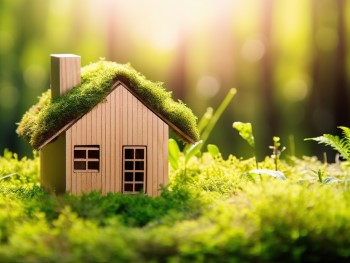
This living guide is designed to help you transition from a traditional consumer to a conscious inhabitant. By adopting a “Best In City” approach to sustainability, you can reduce your carbon footprint while simultaneously enhancing the quality and efficiency of your life.
The Efficiency First Approach: Energy and Atmosphere
The most significant impact a household has on the planet is through energy consumption. Heating, cooling, and powering our electronics account for a massive portion of global greenhouse gas emissions. However, making your home planet-friendly doesn’t mean living in the dark; it means living smarter.
Thermal Integrity
A sustainable home is a sealed home. Before investing in expensive gadgets, focus on your home’s “envelope.” Minor leaks around windows and doors can cause your HVAC system to work 30% harder than necessary. Professional-grade weather stripping and high-performance insulation are the unsung heroes of the environmental movement. By maintaining a stable internal temperature, you drastically reduce the demand on power plants.
Intelligent Lighting and Power
Transitioning to LED lighting is now the baseline. To take it further, implement smart power strips. Many electronic devices are “vampires,” drawing power even when they are turned off. Smart strips detect when a device is in standby mode and cut the power completely. Additionally, adopting a habit of “zonal lighting”—illuminating only the specific area you are using—can significantly lower your monthly kilowatt usage.
Water Stewardship: Every Drop Counts
Water is often treated as an infinite resource, but as urban populations grow, the energy required to treat and transport water increases. Saving the planet requires a fundamental shift in how we view the tap.
Low-Flow Innovation
Modern aerators and low-flow showerheads have evolved. You no longer have to sacrifice water pressure for efficiency. These devices mix air with water to maintain a strong stream while using up to 50% less volume. In the bathroom, dual-flush toilets allow for a choice between a partial and full flush, saving thousands of gallons per year for an average family.
Greywater and Rain Harvesting
For those with gardens, the “Best In City” standard involves moving away from municipal water for landscaping. Installing a rain barrel to collect runoff from your roof is a simple yet effective way to hydrate your plants. Furthermore, mindful living includes “second-use” water—such as using the water from washing vegetables or boiling pasta (once cooled) to water your indoor plants.
The Zero-Waste Interior: Rethinking Consumption
The kitchen and the trash bin are where the battle against plastic pollution is won or lost. The goal of a planet-saving lifestyle is to transition toward a circular economy where very little leaves your home as “waste.”
The End of Single-Use Plastics
The shift toward a sustainable interior begins with the elimination of single-use plastics. This involves replacing plastic wrap with beeswax wraps, switching to glass or stainless steel storage containers, and buying dry goods in bulk. By reducing the packaging that enters your home, you immediately decrease the burden on local recycling facilities, which are often overtaxed.
Mastering the Compost
Nearly 30% of what we throw away is food scraps and yard waste. When organic matter ends up in a landfill, it decomposes without oxygen and produces methane, a potent greenhouse gas. In a conscious home, this “waste” is viewed as “black gold.” Modern indoor composting bins are odorless and compact, allowing even city dwellers to turn potato peels and coffee grounds into nutrient-rich soil for their balcony gardens or indoor plants.
Conscious Materiality: Decorating with a Conscience
When it is time for home improvement or interior remodelling, the materials you choose have a long-term environmental legacy. Saving the planet means opting for products that are either rapidly renewable or responsibly reclaimed.
Sustainable Sourcing
Look for materials like bamboo or cork for flooring. Bamboo reaches maturity in just five years, compared to fifty years for traditional hardwoods. If you prefer the look of oak or pine, seek out FSC-certified (Forest Stewardship Council) wood, which ensures the timber was harvested from forests managed with strict environmental standards.
The Beauty of Reclaimed Goods
There is an inherent luxury in items that have a history. Using reclaimed wood for a dining table or salvaged brick for a feature wall prevents new raw materials from being extracted and keeps perfectly good timber out of the landfill. This “upcycling” approach is a hallmark of sophisticated, eco-friendly interior design.
Sustainable Food Choices and the Local Loop
The “Living Guide” extends to what we put on our tables. The carbon footprint of a meal is largely determined by how far it traveled to reach you. By supporting local farmers’ markets and choosing seasonal produce, you reduce the “food miles” associated with your diet. Furthermore, dedicating even a small space to a “kitchen garden”—growing herbs or microgreens on a windowsill—connects you back to the earth and reduces your reliance on plastic-packaged greens.
Conclusion
Saving the planet is not a destination; it is a continuous practice of mindfulness. It is about recognizing that every switch we flip, every tap we turn, and every product we purchase is a vote for the type of world we want to inhabit. By optimizing our homes for energy efficiency, practicing water stewardship, and embracing zero-waste principles, we transform our residences into bastions of sustainability.
A conscious home is a more comfortable, more economical, and more meaningful place to live. When we take responsibility for our environmental impact at the household level, we prove that individual actions, when multiplied by millions, have the power to heal the world. Living to save the planet is the ultimate form of home improvement.
Would you like me to create a “Weekly Sustainability Checklist” to help you track and implement these changes in your daily routine?