The concept of “home” is undergoing a radical transformation. For decades, interior design was primarily concerned with aesthetics—the color of the walls, the fabric of the sofa, and the arrangement of furniture. However, as we move further into the 21st century, the home is evolving into a sophisticated ecosystem. The future of home interior is no longer just about how a space looks; it is about how a space performs, adapts. And nurtures the people living within it.
Driven by rapid technological advancements and a growing environmental consciousness. The homes of tomorrow will be smarter, greener, and more flexible than ever before. This article explores the key trends and innovations shaping the future of our living spaces.
The Rise of Hyper-Functional and Flexible Spaces
One of the most significant shifts in interior design is the move toward multi-functionality. As urban populations grow and living spaces become smaller or more expensive, the rigid definition of rooms is disappearing. The future home features “fluid” layouts where a single area can serve multiple purposes throughout the day.
We are seeing the rise of kinetic furniture—walls that move on tracks to create a private office during the day and expand the living room at night. Built-in furniture that disappears into floors or ceilings is becoming a high-end standard. This adaptability ensures that even a modest square footage can provide a high quality of life, accommodating work, exercise, and relaxation without feeling cluttered.
Smart Integration: Beyond the Voice Assistant
While we currently associate “smart homes” with voice-controlled speakers or automated light bulbs, the future interior will feature “invisible” technology. Technology will be embedded into the very fabric of the home. Imagine kitchen countertops that can wirelessly charge your devices or act as a touch-screen recipe guide.
The future interior will use sensory technology to adjust environments automatically. Smart glass will tint itself based on the intensity of the sun to regulate temperature. And lighting systems will sync with our circadian rhythms, shifting from cool blue tones in the morning to warm amber hues in the evening to promote better sleep. In this vision of the future, technology does not stand out as a gadget; it resides quietly in the background, enhancing our daily routines.
Biophilic Design: Bringing the Outdoors In
As humans spend more time indoors, the psychological need for a connection to nature has become a priority for designers. Biophilic design—the practice of incorporating natural elements into the built environment—is set to be a cornerstone of future interiors.
This goes beyond placing a few potted plants in a corner. Future homes will feature integrated living walls that purify the indoor air, indoor herb gardens built directly into kitchen cabinetry. And the extensive use of natural materials like reclaimed wood, stone, and cork. Large-scale windows and internal courtyards will be used to maximize natural light, reducing the reliance on artificial sources and improving the mental well-being of the inhabitants.
Sustainable Materials and the Circular Economy
Sustainability is moving from a “choice” to a “requirement” in the interior design industry. The future home will be built and furnished using a circular economy mindset, where every material is either recycled, upcycled, or biodegradable.
We are seeing a surge in bio-materials, such as furniture made from mushroom mycelium, seaweed-based textiles, and 3D-printed structures using recycled plastic waste. These materials are not only eco-friendly but also offer unique textures and organic shapes that define a new “eco-futurist” aesthetic. Furthermore, the longevity of products will be prioritized, moving away from “fast furniture” toward high-quality pieces that can be easily repaired or disassembled for recycling.
Wellness-Centric Environments
In the future, our homes will act as health diagnostic tools. The bathroom of the future may include smart mirrors that analyze skin health or toilets that provide basic health metrics. Beyond diagnostics, the interior environment will be optimized for physical and mental health.
Advanced air filtration systems will become standard, removing allergens and pollutants in real-time. Soundscapes will be used to mask urban noise pollution, creating a sanctuary of calm. Designers are also paying closer attention to “neuro-aesthetics”—studying how specific colors, shapes, and textures affect the brain to create spaces that actively reduce stress and boost creativity.
The Aesthetic of the Future: Warm Minimalism
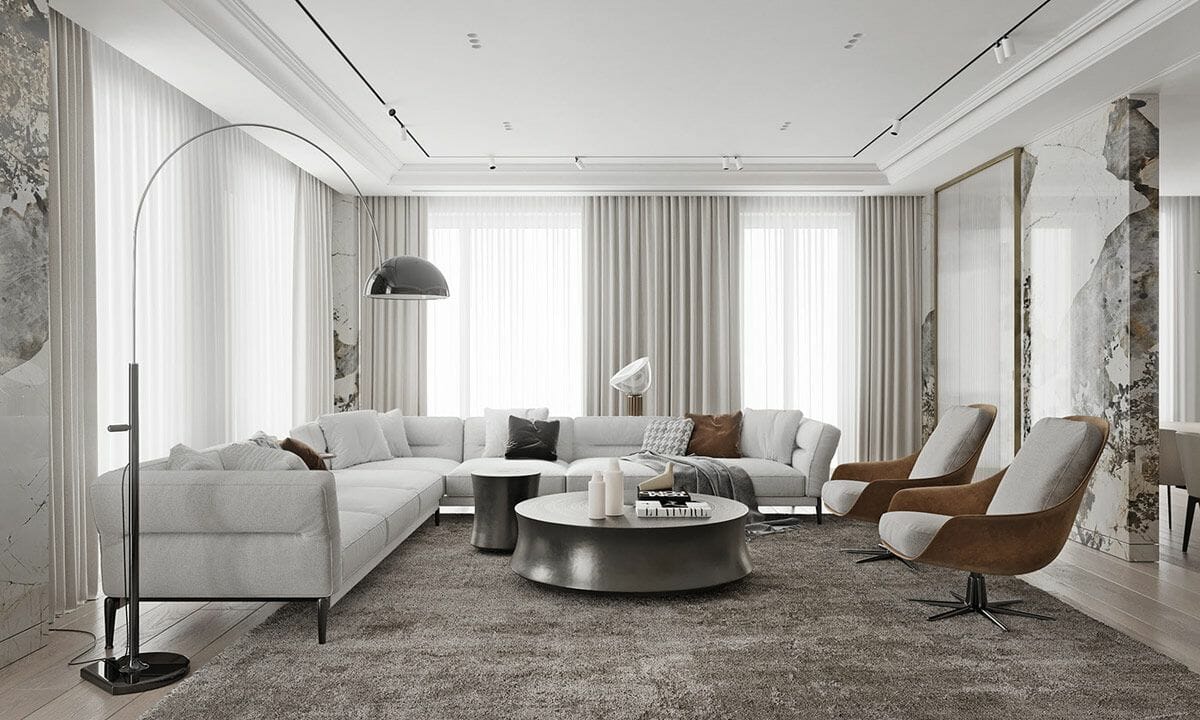
Visually, the future home is moving away from the cold, clinical “sci-fi” look often portrayed in old movies. Instead, we are entering an era of “Warm Minimalism.” This style combines clean lines and clutter-free surfaces with soft textures, earthy tones, and handcrafted details.
The goal is to create a space that feels spacious and modern yet cozy and human. Technology is hidden behind natural wood panels or integrated into soft-touch fabrics, ensuring that the home remains a place of comfort rather than a high-tech laboratory.
Conclusion
The future of home interior is a beautiful intersection of high-tech innovation and high-touch humanity. It is a future where our homes are not just shelters, but active partners in our well-being. By embracing flexibility, invisible technology, and deep sustainability, the next generation of living spaces will be more resilient and responsive to our needs than ever before.
As we look ahead, the most successful designs will be those that use technology to bring us closer to nature and to ourselves, creating environments that are as intelligent as they are soul-soothing.
Would you like me to create a detailed guide on how to start incorporating biophilic design elements into your current home today?