The concept of a home has shifted significantly in recent years. It is no longer just a place to sleep and eat; it has become an office, a gym, a sanctuary, and a reflection of our personal identities. However, as we spend more time within our four walls, the itch to change, upgrade, and improve becomes harder to ignore. Dwelling improvement does not always require a massive budget or a team of contractors. With a bit of creativity and a “do-it-yourself” spirit, you can transform your living environment into a more functional and aesthetically pleasing space.
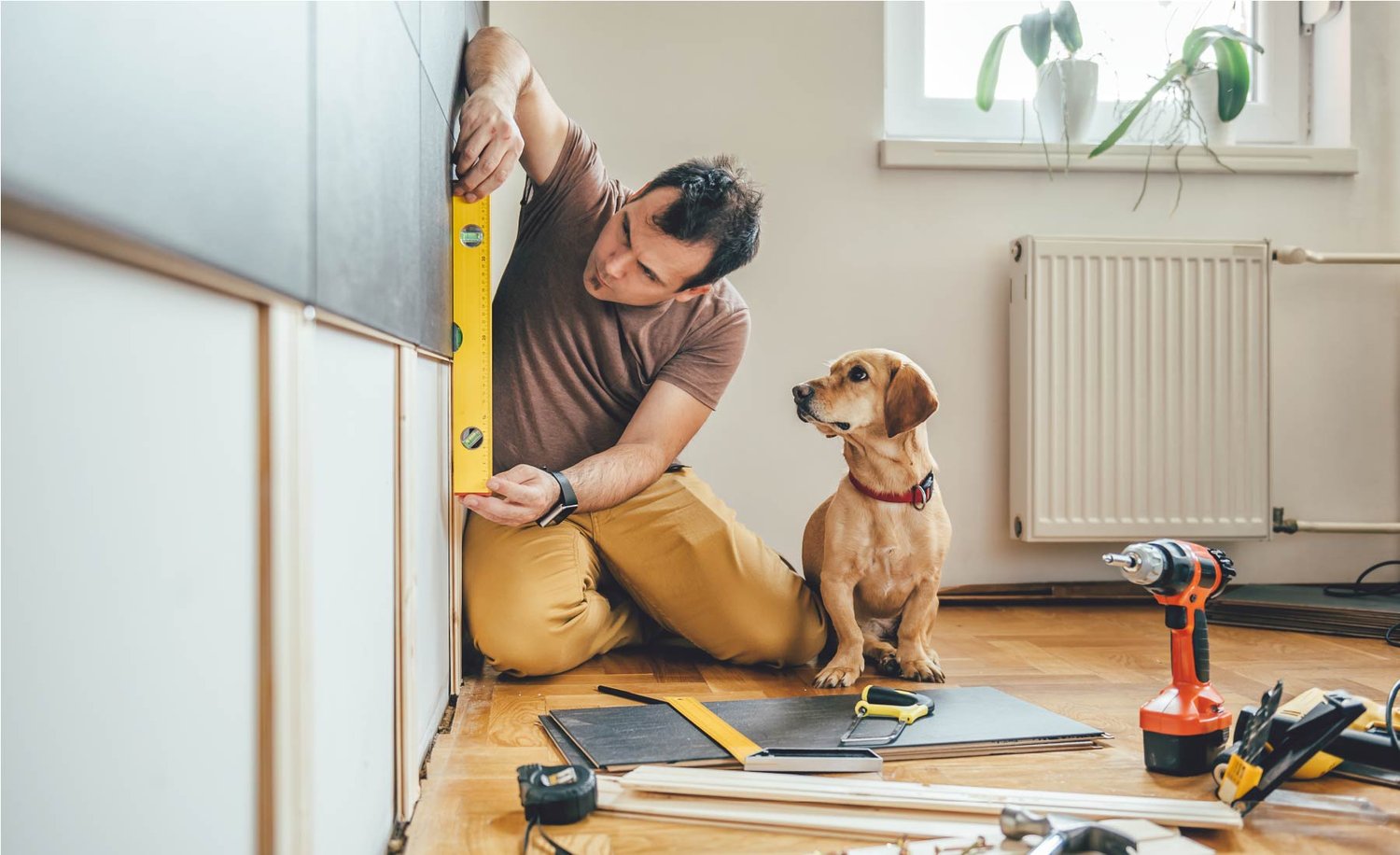
This article explores a variety of dwelling improvement ideas and DIY initiatives that range from simple aesthetic refreshes to functional structural upgrades, all designed to enhance your quality of life.
The Power of Paint and Surface Refinishing
One of the most cost-effective and high-impact DIY initiatives is the strategic use of paint. A fresh coat of paint can do more than just change a color; it can alter the perceived dimensions of a room. Light, cool colors can make a cramped apartment feel airy and spacious, while deep, moody tones can turn a large, sterile room into a cozy retreat.
Beyond walls, consider refinishing surfaces that have seen better days. Old kitchen cabinets are prime candidates for a DIY makeover. Instead of a full replacement, which can cost thousands, sanding them down and applying a high-quality furniture paint can provide a modern look for a fraction of the price. Similarly, painting an outdated brick fireplace or updating old floor tiles with specialized stencil kits are popular initiatives that yield professional-looking results with a bit of patience.
Enhancing Functionality Through Smart Storage Solutions
As our lives become more cluttered with gadgets and gear, storage becomes a premium. Dwelling improvement often starts with optimizing the space you already have. DIY shelving is an excellent entry point for beginners. Floating shelves in the kitchen for spices or in the living room for books create vertical storage without occupying valuable floor space.
For those with a bit more woodworking experience, “built-ins” are a transformative project. Converting an unused alcove into a custom bookshelf or a window seat with hidden storage underneath adds both value and character to the home. The goal of these initiatives is to reduce visual clutter, which has been scientifically proven to lower stress levels and improve focus within the home.
Lighting Upgrades for Mood and Efficiency
Lighting is often an overlooked element of interior design, yet it is one of the most powerful tools for dwelling improvement. Most standard homes come with “builder-grade” lighting that is functional but lacks personality. Replacing old flush-mount ceiling lights with modern chandeliers or industrial pendant lights can immediately elevate the style of a room.
A highly effective DIY initiative is the installation of under-cabinet lighting in the kitchen. Using LED light strips, which are often “plug-and-play,” you can provide task lighting that makes cooking easier and creates a sophisticated ambiance in the evening. Additionally, installing dimmer switches allows you to control the mood of your living spaces, making them adaptable for everything from a bright workspace to a dim movie night setting.
The Outdoor Extension: Creating a Backyard Oasis
Improvement initiatives should not stop at the front door. The outdoor area of a dwelling is an extension of the living space. If you have a backyard or even a small balcony, there are numerous DIY projects to consider. Building a simple wooden deck or laying a flagstone patio can provide a dedicated area for outdoor dining and relaxation.
For those interested in sustainability, a DIY vertical garden or “living wall” is a fantastic initiative. Using reclaimed wood or repurposed pallets, you can grow herbs and small vegetables even in limited spaces. Not only does this add greenery to your environment, but it also provides fresh produce for your kitchen, hitting the sweet spot between aesthetics and utility.
Upcycling and Furniture Restoration
Sustainability is a growing trend in dwelling improvement. Instead of buying mass-produced, low-quality furniture, many homeowners are turning to upcycling. This involves taking an old, perhaps discarded piece of furniture and giving it a new life.
A vintage dresser found at a thrift store can be transformed with new hardware and a stained top. An old wooden ladder can become a rustic towel rack in the bathroom. These DIY initiatives allow for a truly unique interior that cannot be replicated by a catalog. Furthermore, the process of restoring furniture teaches valuable skills such as sanding, staining, and upholstery, which can be applied to larger home projects in the future.
Small Details, Big Impact: Hardware and Trim
If you are looking for “quick wins” in home improvement, look at the hardware. Replacing outdated brass doorknobs with sleek black or brushed nickel versions can modernize the entire feel of a hallway. Similarly, swapping out kitchen cabinet pulls and bathroom faucets are DIY tasks that usually require nothing more than a screwdriver and a wrench but offer a significant visual upgrade.
Adding architectural interest through trim and molding is another high-value initiative. Installing crown molding or a board-and-batten accent wall adds a level of sophistication typically found in custom-built luxury homes. While these projects require precise measuring and cutting, they are well within the reach of a determined DIYer with a miter saw.
Conclusion
Dwelling improvement is a continuous journey of making your space work better for you. Whether you are tackling a weekend project like painting a room or embarking on a week-long furniture restoration, the key is to start with a clear plan and a willingness to learn. DIY initiatives not only save money but also provide a profound sense of accomplishment and a deeper connection to the place you call home. By focusing on functionality, aesthetics, and personal comfort, you can ensure that your dwelling remains a true sanctuary in an ever-changing world.
Would you like me to create a step-by-step guide for one of these specific DIY projects, such as installing floating shelves or painting kitchen cabinets?