Embarking on a construction project—whether it is building your dream home from the ground up or undertaking a major structural renovation—is a monumental life event. It is a journey that transforms a significant financial investment into a physical reality. However, the success of this transformation rests almost entirely on one crucial decision: choosing the right construction company.
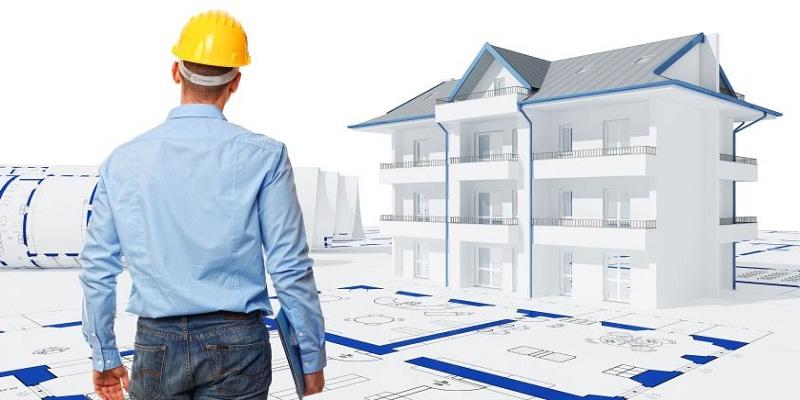
A “Best In City” project is rarely the result of luck. It is the product of a synergistic partnership between a visionary homeowner and a competent, ethical, and professional builder. In an industry crowded with contractors of varying skill levels, finding the right fit requires a disciplined approach to vetting and verification. This guide outlines the essential steps to identifying a construction company that will deliver quality, transparency, and peace of mind.
Defining Your Project Scope Before the Search
Before you begin scrolling through directories or asking for referrals, you must have a clear understanding of your own needs. Construction companies often specialize. Some excel at high-end custom residences, while others are geared toward commercial builds or specific “design-build” residential remodels.
A well-defined scope includes your estimated budget, your non-negotiable architectural features, and your timeline. When you approach a company with a clear vision, you can quickly determine if they have the specific expertise required for your project. A company that claims to “do everything” may lack the specialized craftsmanship needed for a truly premium result.
The Pillars of a Reputable Company: Credentials and Insurance
The first layer of vetting is non-negotiable: legal and professional compliance. A reputable construction company must be fully licensed to operate in your specific city or municipality.
Licensing and Registration
In 2026, building codes and zoning laws are more complex than ever. A licensed builder demonstrates a baseline level of competency and a commitment to following these legal standards. Always ask for their license number and verify it with the local building authority.
Comprehensive Insurance Coverage
Construction is inherently risky. You must ensure the company carries both General Liability Insurance and Workers’ Compensation. General liability protects your property from damage during construction, while workers’ compensation ensures that if a crew member is injured on your site, the responsibility does not fall on you. A “Good Construction Company” will provide these certificates of insurance without hesitation.
Evaluating the Portfolio: Quality Over Quantity
Once the legalities are confirmed, it is time to assess the “soul” of their work. A company’s portfolio is a window into their craftsmanship and attention to detail.
When reviewing past projects, look for consistency. Do the finishes look refined in every home, or is the quality hit-or-miss? If possible, ask to visit a current job site. A clean, organized, and safe construction site is a major indicator of a professional operation. If a builder manages their tools and debris well, they are likely to manage your budget and timeline with the same level of care.
The Importance of Local Reputation and References
In the construction world, word-of-mouth remains the most reliable currency. A company that has maintained a “Best In City” reputation for years is likely doing something right.
Direct References
Ask the builder for a list of at least three clients who have completed projects similar to yours within the last two years. When you call these references, ask specific questions:
- Did the project stay within the original budget?
- How did the company handle unexpected structural issues?
- Was the communication consistent throughout the process?
- If they had to do it again, would they hire this company?
Online Reviews and Community Standing
While online reviews should be taken with a grain of salt, look for recurring themes. Consistent praise for their project management or frequent complaints about communication gaps are usually accurate reflections of the company’s internal culture.
Transparency in Communication and Contracts
The relationship between a homeowner and a builder is long-term, often lasting months or even years. Therefore, communication styles must align. During the initial consultation, pay attention to how they explain complex technical issues. Do they simplify the jargon, or do they use it to confuse you?
A good construction company provides a detailed, written contract that serves as the “source of truth” for the project. This document should include:
- A line-item budget breakdown.
- A clear payment schedule (avoid companies that demand a large upfront deposit).
- A realistic timeline with milestones.
- A “Change Order” process to handle modifications once construction has started.
Financial Stability and Supplier Relationships
A construction company is only as good as its supply chain. Reliable builders maintain strong relationships with local lumber yards, masonry suppliers, and specialized subcontractors (like electricians and plumbers).
Ask the builder about their core team. Do they use the same subcontractors for every project, or do they hire the cheapest labor available at the moment? Builders who pay their suppliers and subs on time are less likely to face liens or delays on your project. Financial stability ensures that the company won’t disappear halfway through your build.
Conclusion
Finding a good construction company is an exercise in due diligence. It requires moving past the glossy photos and charismatic sales pitches to uncover the underlying structure of the business. By prioritizing licensing, insurance, local references, and transparent communication, you set the stage for a successful build.
The right construction company does more than just follow a blueprint; they act as your advocate, your technical advisor, and your partner in turning a vision into a permanent landmark. When you find a builder who values integrity as much as they value craftsmanship, you are well on your way to creating a home that is truly the best in the city.