When it comes to home improvement, few decisions carry as much weight—both literally and figuratively—as choosing a new roofing material. It is the primary shield that protects your family, your furniture, and the structural integrity of your residence from the unpredictable forces of nature. For decades, asphalt shingles were the undisputed king of the suburban landscape due to their low upfront cost. However, a significant shift is occurring in the “Best In City” housing market. Metal roofing has surged in popularity, moving from industrial warehouses to high-end residential masterpieces.
But the question remains: is a metal roof the right choice for your specific needs, budget, and architectural style? In this comprehensive guide, we will weigh the pros and cons, explore the various types of metal roofing, and help you determine if this is the ultimate investment for your home.
The Longevity Factor: A Roof for a Lifetime
The most compelling argument for metal roofing is its incredible lifespan. While traditional asphalt shingles typically require replacement every 15 to 20 years, a professionally installed metal roof can easily last 50 to 70 years. In many cases, it is the last roof a homeowner will ever need to install.
This longevity is due to the inherent durability of materials like steel, aluminum, and copper. Metal does not crack, warp, or rot. It is impervious to termite attacks and is one of the most fire-resistant materials available on the market. For homeowners planning to stay in their residence for decades, the “cost per year” of a metal roof is significantly lower than almost any other material, making it a masterpiece of financial planning.
Debunking the Myths: Noise and Lightning
Before diving deeper into the benefits, it is important to address the two most common concerns homeowners have about metal roofs: noise and lightning.
Many people associate metal roofs with the loud “clatter” heard on old barns during a rainstorm. However, in residential applications, metal roofs are installed over a solid substrate (decking) and high-quality underlayment. When combined with the attic insulation already present in your home, a metal roof is often no noisier than a traditional shingle roof.
Regarding lightning, it is a common misconception that a metal roof increases the likelihood of a strike. While metal is a conductor of electricity, it is not an “attractor.” In the rare event that a house is struck, the metal roof actually provides a safer path for the energy to dissipate, and because the material is non-combustible, it significantly reduces the risk of a house fire compared to wood or asphalt.
Energy Efficiency and Environmental Impact
In an era where sustainability is a top priority for “Best In City” home improvements, metal roofing stands out as an eco-friendly champion.
Reflectivity and Cooling
Metal roofs are often referred to as “cool roofs.” They are highly reflective, meaning they bounce solar radiation back into the atmosphere rather than absorbing it into the attic. This can reduce cooling costs by as much as 25% during the sweltering summer months. Many modern metal roofing products are finished with “cool-pigment” paints that further enhance this thermal performance.
Recyclability
Asphalt shingles are a petroleum-based product, and millions of tons of them end up in landfills every year. In contrast, metal roofs are usually made from 25% to 95% recycled content and are 100% recyclable at the end of their long life. This makes them a cornerstone of sustainable residence improvement.
Architectural Versatility: Style Beyond the Sheet
Gone are the days when metal roofing only meant corrugated “tin” sheets. Modern manufacturing has allowed metal to mimic almost any traditional roofing aesthetic.
- Standing Seam: This is the classic contemporary look, featuring long, vertical panels with raised seams that interlock. It is sleek, minimalist, and perfect for modern or “Modern Farmhouse” designs.
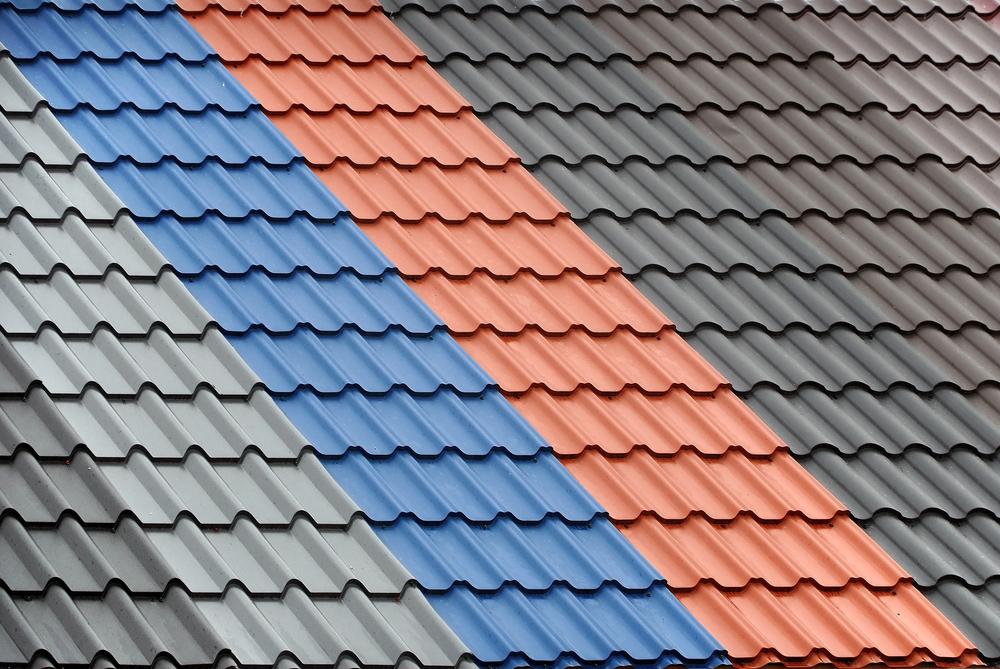
- Metal Shingles: These are stamped to look like traditional slate, wood shakes, or even clay tiles. They provide the classic beauty of these materials with the lightweight and durable benefits of metal.
- Stone-Coated Steel: For those who love the Mediterranean look, stone-coated steel gives the appearance of heavy clay tiles but at a fraction of the weight, meaning no additional structural reinforcement is required for your home.
The Financial Reality: Upfront Cost vs. Long-Term Value
It would be remiss not to mention the primary hurdle: the initial cost. A metal roof can be two to three times more expensive than asphalt shingles. This includes both the cost of the high-grade materials and the specialized labor required for installation.
However, the “Best In City” perspective looks at the Return on Investment (ROI). Because a metal roof increases a home’s resale value and significantly lowers insurance premiums in many regions (due to its fire and wind resistance), the gap in cost begins to close immediately. When you add the energy savings and the fact that you will skip two or three shingle replacement cycles, the metal roof often pays for itself.
Conclusion
Is a metal roof the perfect material for you? If you value long-term durability, energy efficiency, and a modern architectural edge, the answer is a resounding yes. It is a premium product for homeowners who view their residence as a long-term asset rather than a temporary stop. While the upfront investment is higher, the peace of mind that comes with a “lifetime roof” is a luxury that few other home improvement products can provide.
Whether you choose the sleek lines of standing seam steel or the traditional look of stone-coated shingles, you are choosing a material that protects your home with unmatched strength and style.