The interior of a home is a reflection of the souls living within it. Over time, however, even the most beautifully designed spaces can begin to feel stagnant or out of sync with our evolving lifestyles. Interior remodelling is the transformative bridge between what your home is and what it has the potential to become. It is not merely about following the latest trends; it is about reinventing your environment to enhance comfort, functionality, and aesthetic joy.
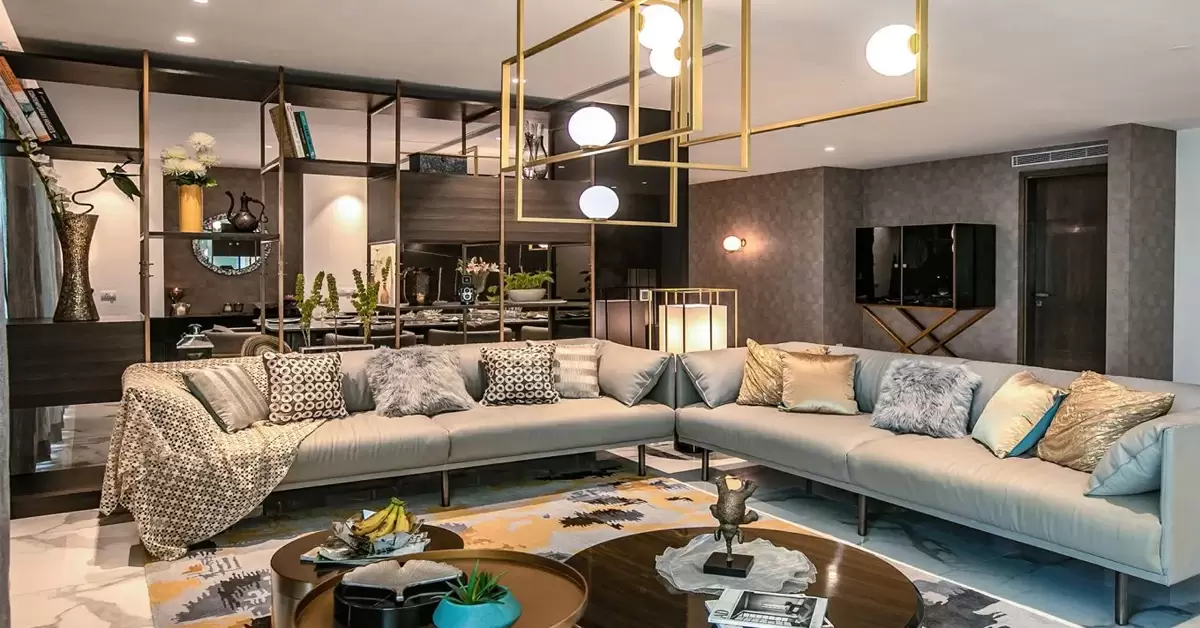
Whether you are looking to increase your property value for a future sale or simply wish to turn your residence into a personal sanctuary, strategic remodelling can make all the difference. In this article, we explore several high-impact interior remodelling ideas that combine timeless elegance with modern practicality.
Redefining the Open Concept: Zoned Living
For years, the “open concept” was the gold standard of interior design. However, as more people begin to work and study from home, the need for defined spaces has returned. The modern approach to remodelling involves “Zoned Living.”
Instead of completely walled-off rooms, consider using architectural elements to define areas. Glass partitions with steel frames are an excellent way to separate a home office from a living room without sacrificing natural light. Alternatively, a double-sided fireplace can serve as a stunning focal point that divides a dining area from a lounge, providing warmth and visual interest to both sides. These “soft” boundaries allow the home to feel spacious yet organized.
The Kitchen: Beyond Cooking to Social Hubs
The kitchen remains the most popular room for remodelling, but the focus has shifted from mere utility to social integration. If you are planning a kitchen overhaul, consider the “Hidden Kitchen” aesthetic. This involves integrated appliances that are camouflaged by cabinetry, creating a sleek, furniture-like appearance that allows the kitchen to blend into the living area.
Another rising idea is the “Butler’s Pantry” or “Scullery.” By moving the heavy-duty prep work and messy appliances into a secondary, smaller room, the main kitchen remains a pristine stage for entertaining guests. For materials, think beyond granite; soapstone, butcher block, and even recycled glass surfaces are becoming favorites for those seeking a “Best In City” unique look.
Transforming the Underutilized: Attic and Basement Revivals
One of the smartest ways to remodel is to look at the space you already have but aren’t using. Attics and basements are often the “final frontiers” of home improvement.
The Luxury Attic Suite
An attic conversion can provide a secluded primary suite or a high-end guest room. By installing skylights and exposing original wooden beams, you can create a “boho-chic” or “modern industrial” retreat. Because attics are separated from the main bustle of the house, they offer a level of privacy that is perfect for a sanctuary-style bedroom.
The Entertainment Basement
Forget the dark, damp basements of the past. Modern remodelling ideas for basements involve high ceilings, advanced moisture-proofing, and sophisticated lighting. Transform this space into a private cinema, a climate-controlled wine cellar, or a professional-grade home gym. By treating the basement with the same level of finish as the main floor—using high-quality flooring and crown molding—you effectively double your home’s usable square footage.
Architectural Details: The Power of Texture and Millwork
Sometimes, the most profound changes in a remodel don’t involve moving walls, but rather adding layers. Millwork—such as wainscoting, crown molding, and ceiling coffers—adds a sense of history and “weight” to a room.
Consider a “Feature Ceiling.” While many people focus on walls, the “fifth wall” (the ceiling) is often neglected. Adding wood planks, decorative plaster, or a bold paint color can completely change the acoustic and visual feel of a room. On the walls, textured finishes like Venetian plaster or high-end grasscloth wallpaper provide a tactile depth that flat paint simply cannot achieve.
Smart Home Integration: The Invisible Remodel
In 2026, a truly modern remodel is as much about technology as it is about timber and tile. “Invisible Technology” is the goal. This means installing motorized shades that are hidden within window headers, in-wall speakers that provide concert-hall audio without the clutter, and smart glass that can turn from transparent to opaque at the touch of a button.
Lighting, in particular, should be automated to follow the circadian rhythm. Imagine a remodel where the lights gradually brighten with a warm hue in the morning and shift to a soft, amber glow in the evening. This level of detail elevates a home from standard to state-of-the-art.
Sustainable Elegance: Eco-Friendly Upgrades
Sustainability is no longer a niche requirement; it is a hallmark of quality. When remodelling, consider “Upcycled Luxury.” Reclaimed wood from old barns can be transformed into stunning accent walls or flooring. Not only does this reduce the environmental footprint, but it also tells a story and adds character that new materials lack.
Additionally, upgrading to high-performance insulation and smart HVAC systems during your remodel will ensure that your home is as efficient as it is beautiful. Choosing low-VOC (Volatile Organic Compounds) paints and finishes also ensures that your new interior is healthy for your family to breathe in.
Conclusion
Interior remodelling is an exciting opportunity to curate your life. By focusing on zoned living, maximizing underutilized spaces like attics, and paying attention to architectural details and smart technology, you can create a home that is truly “Best In City.” The most successful remodels are those that marry the owner’s personal history with future-forward functionality.
Your home is the backdrop for your life’s most important moments. Investing in a thoughtful, high-quality interior remodel ensures that those moments happen in a space that is inspiring, comfortable, and uniquely yours.
Would you like me to create a specific mood board description or a step-by-step project timeline for one of these remodelling ideas?