In the fast-paced landscape of 2026, the home has evolved into more than just a place of residence; it has become a dedicated center for health and restoration. Among the most coveted “Best In City” home improvements today is the installation of a personal sauna. Once considered a luxury reserved for high-end spas or elite athletic clubs. The home sauna has transitioned into an attainable staple for those seeking to enhance their longevity, mental clarity, and physical recovery.
Investing in a home sauna is a significant decision that involves balancing architectural integration, electrical requirements, and personal wellness goals. This guide provides an in-depth look at everything you need to know before bringing the heat into your home.
The Wellness Perspective: Why a Home Sauna?
Before diving into the technicalities, it is essential to understand the “why” behind this rising trend. Regular sauna use is supported by an increasing body of scientific research suggesting that frequent heat exposure. Often referred to as “hyperthermic conditioning”—can significantly improve cardiovascular health, reduce inflammation, and promote deep relaxation.
For the modern homeowner, having a sauna just steps away from the bedroom or home gym eliminates the barriers of travel and membership fees. It provides a private, sanctuary-like environment where one can disconnect from digital distractions and focus entirely on the self. Whether you are looking to soothe aching muscles after a workout or find a quiet space for meditation, the home sauna is a versatile tool for holistic health.
Traditional vs. Infrared: Choosing the Right Heat
The first and most critical choice you will make is the type of heating technology. This decision dictates the installation process, the cost, and the nature of the experience itself.
The Traditional Finnish Sauna
The traditional sauna uses an electric or wood-burning heater to warm a pile of stones, which in turn heats the air inside the cabin. These saunas typically reach temperatures between 160°F and 190°F. The experience is characterized by “dry heat,” though you can pour water over the stones to create steam (known as löyly), which increases the perceived intensity of the heat. Traditional saunas are ideal for those who enjoy high temperatures and the ritualistic aspects of steam.
The Infrared Sauna
Infrared saunas are a modern alternative that has gained massive popularity in urban homes. Instead of heating the air around you, they use infrared heaters to emit light waves that penetrate the body directly. These operate at lower temperatures (usually between 120°F and 150°F), making them more comfortable for those who find traditional saunas too stifling. Infrared units are generally more energy-efficient and easier to install in small interior spaces.
Location and Spatial Planning
Where you place your sauna is as important as the unit itself. While traditional Finnish saunas are often placed outdoors or in a basement with specialized ventilation, modern infrared units can be placed in almost any dry indoor area.
Indoor Integration
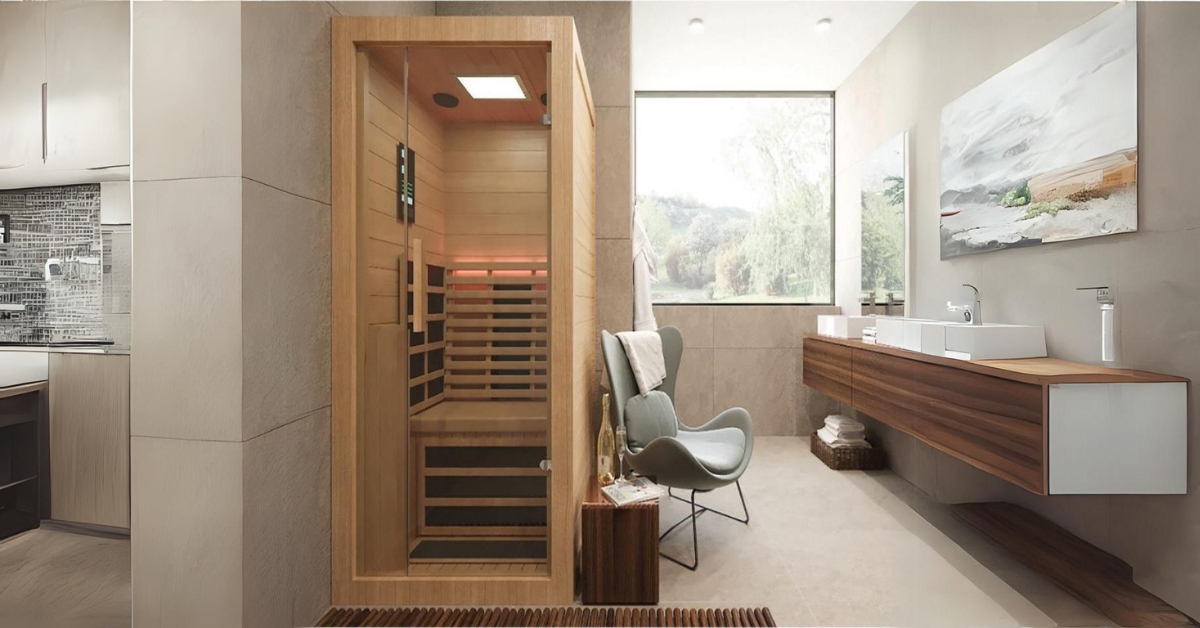
Many homeowners are now incorporating saunas into their primary bathrooms or master suites. For a “Best In City” aesthetic, a glass-fronted sauna can create a stunning visual flow, making the room feel like a high-end spa. If space is at a premium, a converted walk-in closet or a corner of a home gym are excellent alternatives.
Outdoor Oases
If you have a backyard or a rooftop terrace, an outdoor barrel sauna or a modern cabin-style unit can serve as a striking architectural feature. Outdoor saunas provide the added benefit of “cold plunge” opportunities nearby, allowing for the popular contrast-therapy method of moving between extreme heat and cold water.
Technical Requirements: Electrical and Ventilation
Getting a home sauna is not as simple as “plug and play.” You must consider the structural and utility requirements to ensure safety and longevity.
Electrical Capacity
Most full-sized traditional saunas require a dedicated 240-volt circuit, similar to a clothes dryer or an oven. This usually necessitates hiring a professional electrician to upgrade your panel or run new lines to the sauna location. Smaller, one-person infrared saunas may run on a standard 120-volt outlet, but it is always best to verify your home’s electrical load capacity before purchasing.
Ventilation and Drainage
Proper airflow is essential to prevent the sauna from feeling “stuffy” and to protect the surrounding structure from moisture. Traditional saunas require an intake vent near the heater and an exhaust vent on the opposite wall. While many modern indoor units are designed to be self-contained, ensuring the room housing the sauna has adequate ventilation is crucial to prevent mold and mildew growth.
Selecting the Right Materials
The interior of a sauna is traditionally lined with wood that can withstand high heat and moisture without warping or becoming too hot to the touch. Canadian Hemlock, Western Red Cedar, and Nordic Spruce are the most popular choices.
Cedar is often preferred for its natural resistance to decay and its aromatic scent, which adds to the sensory experience. However, for those with sensitive skin or allergies, Hemlock is a non-allergenic and scent-free alternative. Ensure that any glass used in the design is tempered and designed specifically for high-heat environments to prevent shattering.
Conclusion
Getting a home sauna is a transformative home improvement project that bridges the gap between luxury and longevity. By carefully considering the type of heat that suits your body, the technical requirements of your home’s infrastructure, and the materials that align with your aesthetic, you can create a wellness retreat that serves you for decades.
A home sauna is an investment in your most valuable asset: your health. In the quest to create the best residence in the city, the addition of a private heat-therapy sanctuary is a move that pays dividends in both property value and quality of life.
Would you like me to create a “Buyer’s Comparison Checklist” to help you evaluate specific sauna brands and models currently on the market?