For over half a century, the Southern United States has defined a specific brand of residential elegance that balances grandeur with a deep sense of approachability. At the heart of this movement is the “Southern Living” architectural tradition. More than just a collection of blueprints, Southern Living House Plans represent a lifestyle—one that prioritizes community, celebrates the natural landscape, and embraces the art of hospitality.
For those looking to build a home that stands the test of time, understanding the nuances of this architectural style is essential. In this guide, we will explore the defining characteristics, historical roots, and modern adaptations of Southern house plans.
The Heritage of Southern Architecture
The architectural DNA of the South is a rich tapestry woven from various influences, including Greek Revival, Colonial, and Lowcountry traditions. Historically, Southern homes were designed to combat the sweltering heat and humidity of the region long before the advent of modern air conditioning. This environmental necessity birthed some of the style’s most iconic features, such as high ceilings to allow heat to rise and large windows to encourage cross-ventilation.
Southern Living House Plans take these historical “common sense” design elements and refine them for contemporary life. Whether it is a stately Georgia manor or a modest Carolina cottage, these plans focus on a “sense of place.” They are designed to look as though they have occupied their lot for decades, harmonizing with old-growth oaks and manicured lawns rather than imposing upon them.
Signature Exterior Features: The Face of the South
The curb appeal of a Southern Living home is unmistakable. It is characterized by a balance of symmetry and inviting outdoor spaces.
The Great American Porch
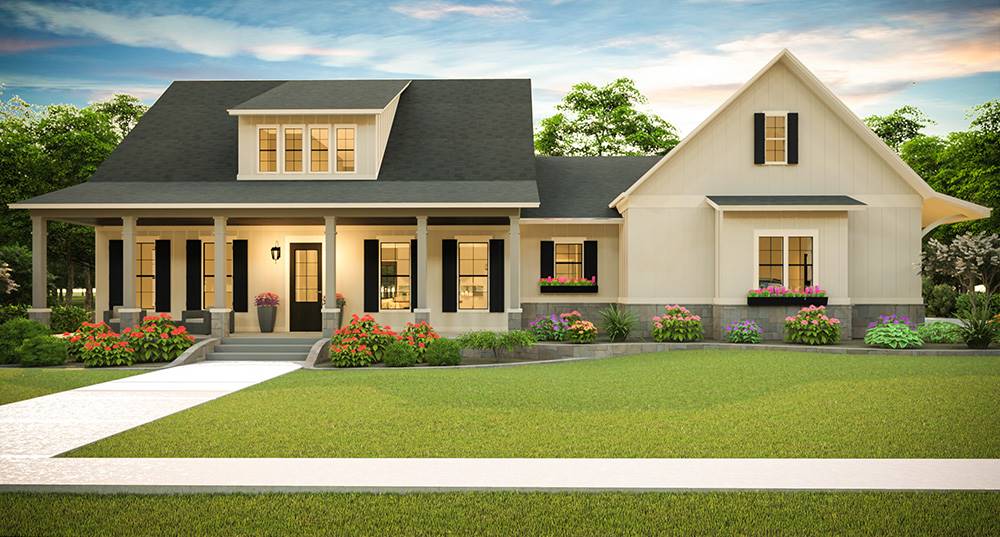
Perhaps no feature is more synonymous with Southern living than the porch. Professional plans often feature wide, wrap-around verandas or deep front porches supported by stately columns. These are not merely decorative; they serve as outdoor living rooms where neighbors can be greeted and evenings can be spent in the shade.
Rooflines and Dormers
Southern homes frequently utilize gabled or hipped roofs, often punctuated by dormer windows. These dormers serve two purposes: they break up the mass of the roofline to add visual interest and they allow natural light to flood into attic spaces or upper-story bedrooms.
Classic Materials and Finishes
The materials used in these plans lean toward the traditional. Lap siding (often in a crisp white or soft pastel), brick accents, and shutters are staples. The use of “Haint Blue” paint on porch ceilings is a particularly charming regional tradition often included in these designs to ward off spirits and mimic the sky to keep birds from nesting.
Interior Layouts: Designed for Connection
Inside a Southern Living house plan, the focus shifts to flow and functionality. While the exteriors may look traditional, the interiors are often surprisingly modern and open.
The Heart of the Home
In Southern culture, the kitchen is the command center. Professional plans usually feature large, open-concept kitchens that flow seamlessly into a “Great Room” or keeping room. This ensures that the cook is never isolated from the family or guests. Oversized islands and walk-in pantries are standard requirements for the “Best In City” Southern kitchen.
Formal vs. Informal Spaces
While modern life favors open layouts, Southern architecture often retains a nod to formality. It is common to find a dedicated dining room or a grand foyer. These spaces provide a sense of occasion for holiday meals and traditional entertaining, bridging the gap between historical elegance and modern ease.
Primary Suite Sanctuaries
The primary bedroom in these plans is typically treated as a secluded retreat. Many Southern Living plans place the master suite on the main floor—a feature known as “aging in place”—which ensures the home remains functional for the owners throughout their lives.
The Modern Southern Evolution: Sustainability and Tech
Today’s Southern Living House Plans are not stuck in the past. They have evolved to incorporate 21st-century innovations while maintaining their classic soul.
Sustainability is a major focus in current designs. This includes the use of reclaimed wood floors, energy-efficient “Low-E” glass for those expansive windows, and smart home systems that manage irrigation and climate control. The goal of a modern Southern creator is to build a home that is “smart” enough to handle a humid climate efficiently while looking “timeless” enough to never go out of style.
Furthermore, the “Idea House” concept—a yearly showcase of Southern Living’s best designs—constantly pushes the boundaries of how we use space, incorporating mudrooms with pet-washing stations, multi-generational “casitas,” and high-tech outdoor kitchens.
Conclusion
Southern Living House Plans offer a unique blueprint for a life well-lived. They remind us that architecture is not just about the materials we use, but about the memories we create within the walls. By combining the romanticism of the past—wide porches, tall windows, and stately columns—with the practicalities of the present, these plans provide a roadmap for building a home that is both a private sanctuary and a welcoming beacon to the community.
Choosing a Southern-style plan is a commitment to a particular pace of life—one that values the view from the porch as much as the comfort of the living room. It is an architectural choice that guarantees your home will be a “Best In City” landmark for years to come.
Would you like me to highlight a specific sub-style of Southern architecture, such as the Lowcountry Cottage or the Modern Farmhouse, for your next project?